
Outdoor Attractions in Texas Worth Adding to Your Travel Itinerary
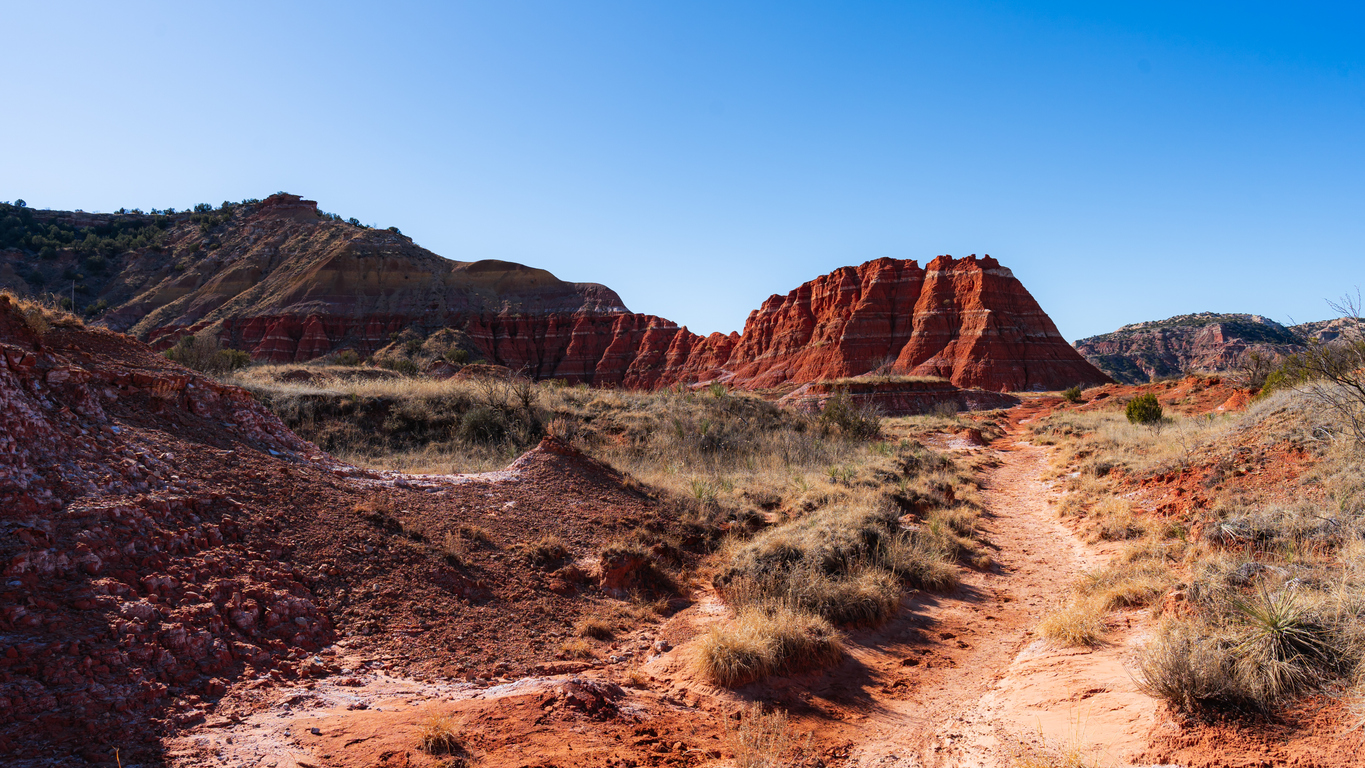
Texas offers you seven distinct outdoor recreation regions spanning over 268,000 square miles of diverse terrain. You'll discover Palo Duro Canyon's panoramic vistas, Lost Maples State Natural Area's seasonal fall foliage, and Mustang Island State Park's accessible Gulf beaches.
Big Bend National Park features more than 150 miles of trails through desert and mountain ecosystems, while the Great Texas Coastal Birding Trail stretches approximately 2,100 miles along the Gulf Coast. Monahans Sandhills State Park showcases dunes reaching up to 70 feet, and Balmorhea State Park's spring-fed pool provides a rare desert swimming experience.
Below, you'll find detailed guidance on planning your Texas outdoor adventure.
Texas's Outdoor Recreation Regions: From Deserts to Gulf Shores
Texas is commonly divided into seven geographic and recreation regions, each offering distinct ecosystems and outdoor experiences.
These include Big Bend Country, the Gulf Coast, Hill Country, the Panhandle Plains, Piney Woods, Prairies and Lakes, and the South Texas Plains.
You'll find opportunities ranging from desert hiking and stargazing in West Texas to coastal fishing and birding along the Gulf, and spring wildflower drives across Central Texas. Understanding these regions helps you plan a trip that matches your interests while experiencing the state's geographic diversity.
State Parks and Natural Areas You Can't Miss
Across Texas, more than 80 state parks and natural areas protect some of the state's most scenic landscapes. These destinations range from canyon overlooks to coastal shorelines and spring-fed swimming areas.
Key highlights include:
Palo Duro Canyon State Park – The second-largest canyon in the United States, located in the Panhandle
Lost Maples State Natural Area – One of the few places in Texas with reliable fall foliage
Mustang Island State Park – A popular Gulf Coast destination for beach camping and paddling trails
Balmorhea State Park – Home to one of the largest spring-fed pools in the world, covering about 1.3 acres
In Central Texas, parks like Pedernales Falls State Park and Enchanted Rock State Natural Area offer hiking and rock climbing, while Seminole Canyon State Park preserves ancient rock art along the Rio Grande.
Big Bend and Guadalupe Mountains: Desert Adventures
Stretching across more than 800,000 acres, Big Bend National Park delivers one of Texas’s most dramatic outdoor experiences. The park includes desert basins, mountain peaks, and river canyons along the Rio Grande.
Popular trails include:
Lost Mine Trail – ~4.8 miles round trip, moderate difficulty
Santa Elena Canyon Trail – ~1.7 miles, moderate with river views
South Rim Trail – 12–14 miles, strenuous with sweeping mountain vistas
Nearby, Guadalupe Mountains National Park features Guadalupe Peak (8,751 feet), the highest point in Texas. These parks are best visited in fall through early spring, when temperatures are cooler and hiking conditions are safer.
Gulf Coast Birding Trails and Beach Escapes
The Great Texas Coastal Birding Trail, established in 1993, was the first birding trail system in the United States. It connects over 300 sites across 41 coastal counties, offering access to more than 450 bird species.
Top coastal destinations include:
Bolivar Flats Shorebird Sanctuary – Known for large concentrations of migratory birds
Galveston Island State Park – Combines birding, kayaking, and beach access
Aransas National Wildlife Refuge – Winter home of the endangered whooping crane
These coastal areas also provide opportunities for kayaking, fishing, and dolphin watching, making them ideal for both wildlife enthusiasts and families.
Hill Country and Prairies: Wildlife and Wildflower Country
The Texas Hill Country is known for its rolling limestone hills, clear rivers, and seasonal wildflowers. During spring, bluebonnets and Indian paintbrushes bloom across highways and open fields, especially around Fredericksburg, Llano, and Burnet.
The region supports diverse wildlife, including:
White-tailed deer populations in high densities
Golden-cheeked warblers and black-capped vireos, both protected species
Native fish like the Guadalupe bass, Texas’s state fish
State parks such as Inks Lake, Garner State Park, and Colorado Bend State Park provide hiking, swimming, and camping opportunities across this region.
Texas Lakes, Rivers, and Coast: Boating and Fishing Hotspots
Texas features more than 200 major reservoirs and over 190,000 miles of rivers and streams, offering year-round recreation for anglers and boaters.
Popular destinations include:
Lake Fork – Widely regarded as one of the best bass fishing lakes in the country
Caddo Lake – Known for its cypress trees and maze-like bayous
Lake Conroe – A favorite for boating, dining, and water sports near Houston
Along the coast, areas like Port Aransas and Rockport offer access to redfish, speckled trout, and flounder, while inland rivers such as the Guadalupe River provide tubing and seasonal trout fishing.
Typical Costs for Texas Outdoor Activities
Understanding costs helps you plan a realistic outdoor itinerary across Texas.
State park entry fees: Typically $5–$8 per adult, with children 12 and under often free
Camping fees: Range from $15–$35 per night depending on amenities
Kayak and canoe rentals: Usually $10–$30 per hour or $40–$80 per day
Guided tours (birding, cave tours, boating): Typically $25–$75 per person
Tubing trips (Guadalupe River): Around $20–$30 per person including shuttle service
Costs vary by season and demand, with summer weekends and holidays typically priced higher.
Best Times to Visit Each Texas Outdoor Region
Timing your trip can significantly improve your experience across Texas’s varied climates.
Spring (March–May): Ideal for wildflowers, hiking, and moderate temperatures
Summer (June–August): Best for water activities, but expect high heat across most regions
Fall (October–November): Comfortable weather and fall foliage in select areas like Lost Maples
Winter (December–February): Best for desert regions like Big Bend, with cooler temperatures and clear skies
For coastal travel, early summer and fall offer warm water and fewer crowds compared to peak vacation months.