What First-Time Travelers Should Know Before Visiting Texas
Texas is a vast and diverse state, and planning your first trip requires balancing distance, regional experiences, and timing. Major cities like Austin, San Antonio, Dallas, and Houston are spread hundreds of miles apart, so it’s best to focus on a few key areas rather than trying to see everything at once.
A well-planned itinerary allows you to experience Texas’s history, food culture, and outdoor attractions without spending most of your trip driving.
Which Texas Cities Belong on Your First-Time Itinerary?
Texas covers more than 268,000 square miles, making it one of the largest states in the U.S. For a first visit, focusing on a handful of destinations provides a more meaningful experience.
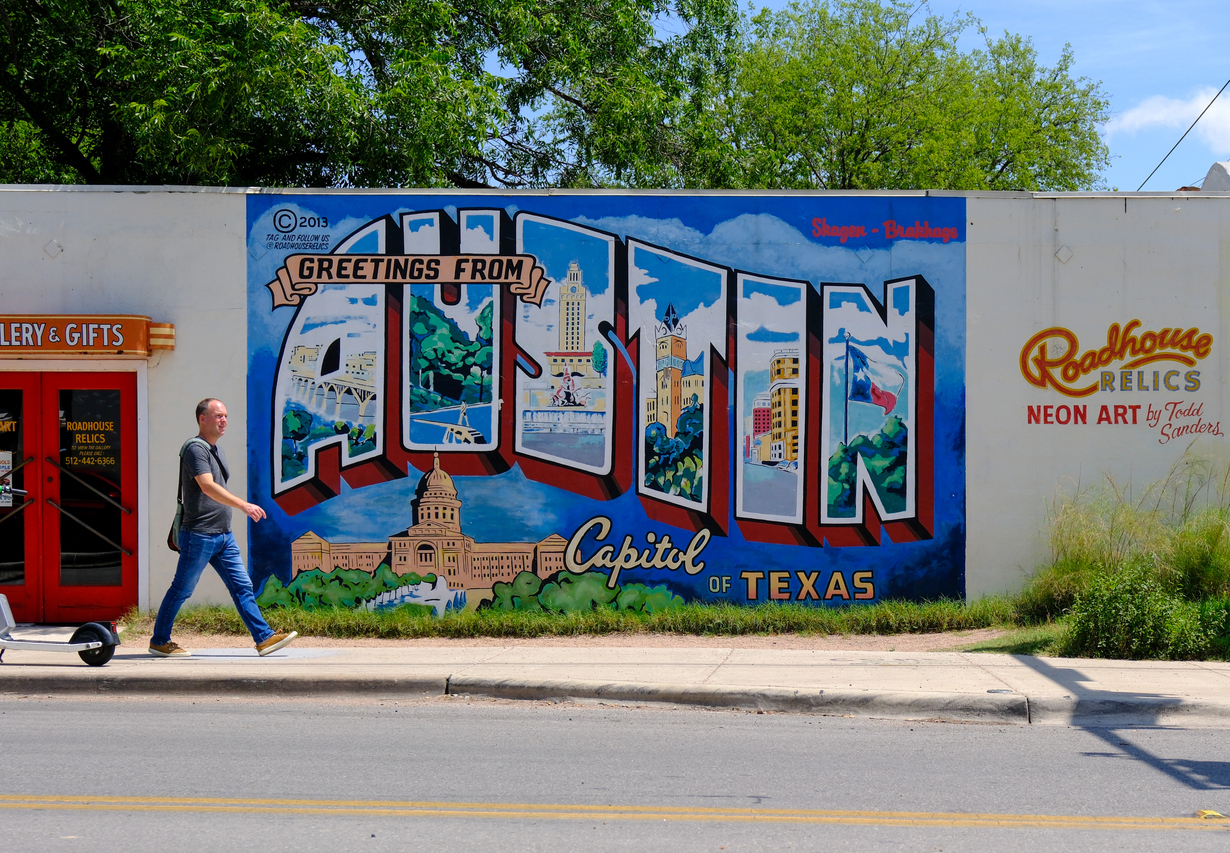
- Austin: Known as the “Live Music Capital of the World,” with live venues, festivals, and the Texas State Capitol
- San Antonio: Home to historic landmarks like The Alamo and the River Walk
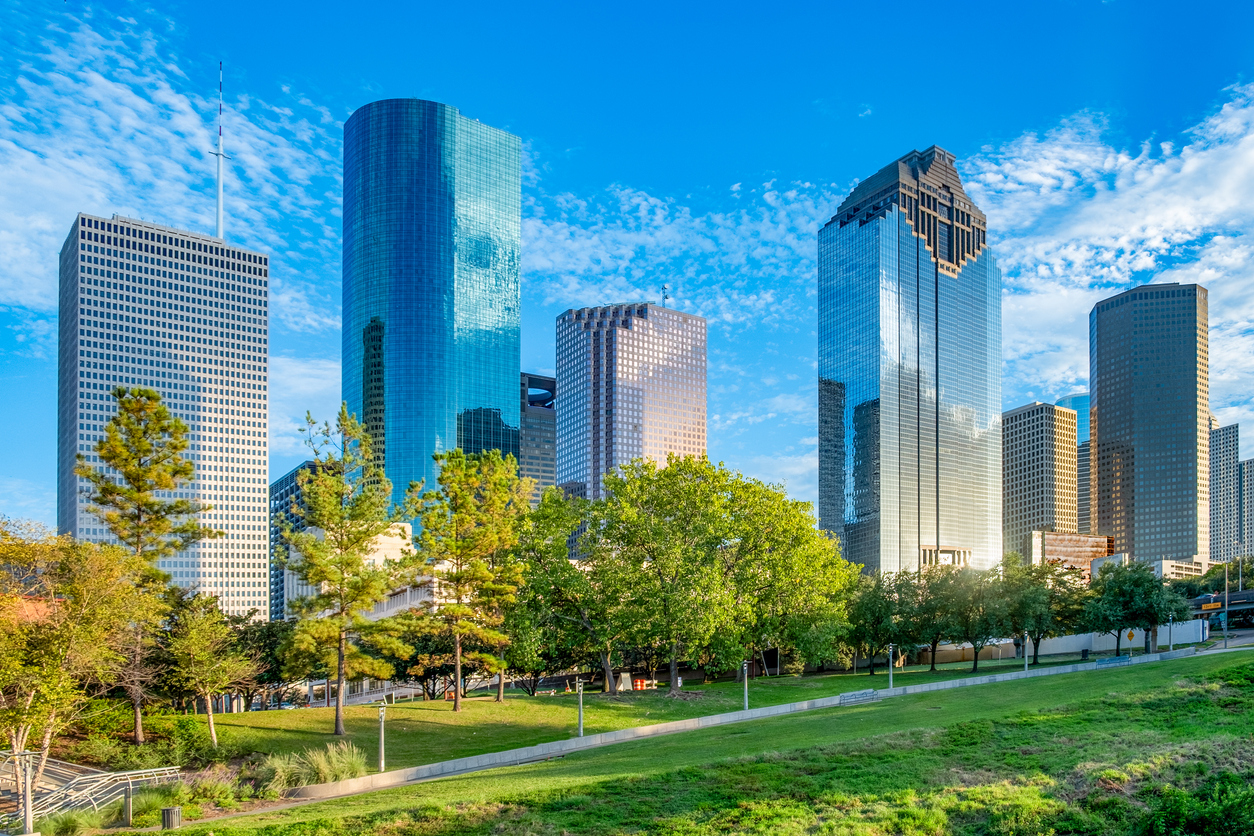
- Houston: A diverse city with world-class museums, international cuisine, and cultural districts
- Dallas–Fort Worth: Offers major museums, shopping districts, and a strong arts scene
Additional destinations like Fredericksburg (Hill Country), Galveston (Gulf Coast), and Big Bend National Park can be added depending on your travel style and available time.
Why San Antonio Should Anchor Your Texas Trip
San Antonio offers one of the most accessible introductions to Texas history and culture.
The city’s UNESCO-listed San Antonio Missions National Historical Park includes four Spanish colonial missions—Concepción, San José, San Juan, and Espada—while The Alamo stands nearby as a separate historic site tied to Texas independence.
The River Walk provides a central area for dining, walking, and exploring public art. Seasonal events like Fiesta San Antonio and Día de los Muertos celebrations highlight the city’s cultural traditions.
Its walkability and concentration of attractions make it a practical starting point for first-time visitors.
Austin’s Live Music, Food Trucks, and Swimming Spots
Austin’s reputation as the “Live Music Capital of the World” comes from its high number of live music venues and performances throughout the year.
Popular areas like Sixth Street, Red River District, and South Congress feature everything from small clubs to larger venues. Events like South by Southwest (SXSW) and Austin City Limits (ACL) attract global audiences.
The city is also known for its food truck culture, offering a wide range of cuisines.
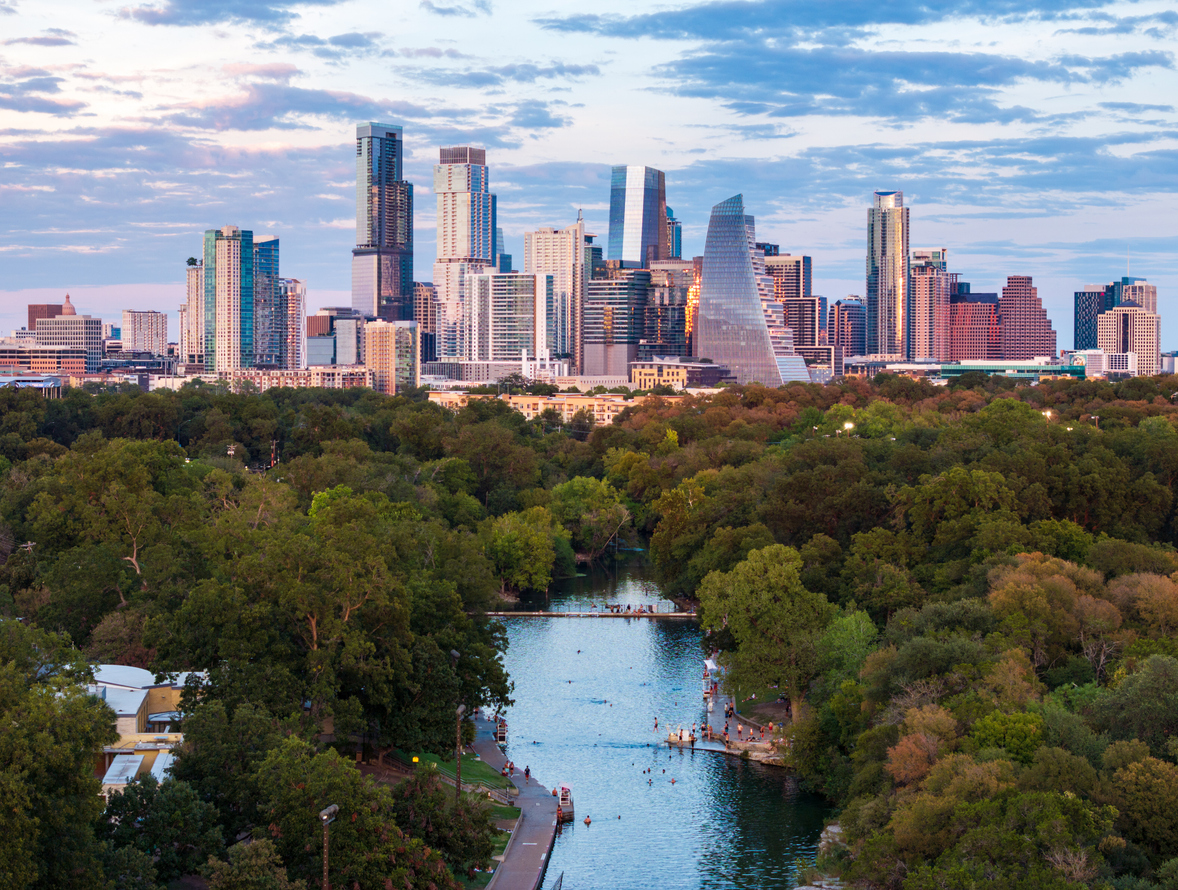
For outdoor relaxation, spots like Barton Springs Pool and nearby swimming areas provide a refreshing break, especially during warmer months.
What Makes Texas Hill Country a Must-Visit Region
Located between Austin and San Antonio, the Texas Hill Country is known for its rolling landscapes, small towns, and cultural heritage.
Towns like Fredericksburg reflect German influences through architecture, festivals, and local cuisine. Outdoor destinations such as Enchanted Rock State Natural Area offer hiking and scenic views.
The region is also a hub for wineries, artisan shops, and seasonal festivals, making it a popular addition to a first-time Texas itinerary.
Fredericksburg Wineries and Bandera’s Cowboy Culture
Fredericksburg anchors the Hill Country wine scene, with dozens of wineries and tasting rooms in the surrounding area. Texas ranks among the top wine-producing states in the U.S., and the Hill Country is one of its primary regions.
Visitors can enjoy tastings, scenic drives, and events throughout the year.
Nearby Bandera, known as the “Cowboy Capital of the World,” offers a different experience with ranches, rodeos, and Western heritage.
Combining these destinations provides a mix of wine culture and traditional Texas identity.
Tex-Mex, Barbecue, and Food Trucks: What Texas Does Best
Texas cuisine reflects a blend of cultural influences and regional traditions.
- Central Texas barbecue: Known for smoked brisket and simple seasoning, especially in towns like Lockhart
- Tex-Mex cuisine: A staple across the state, featuring tacos, enchiladas, and fajitas
- Food trucks: Especially popular in Austin, offering creative and diverse options
Historic establishments like Black’s Barbecue (Lockhart) and Southside Market & Barbeque (Elgin) continue to serve traditional recipes.
Exploring local food is one of the best ways to experience Texas culture firsthand.
Swimming, Hiking, and Outdoor Activities in Texas State Parks
Texas has more than 80 state parks, offering opportunities for swimming, hiking, and outdoor recreation.
Popular parks include Garner State Park, Inks Lake State Park, and Guadalupe River State Park, where visitors can enjoy natural water features and scenic trails.
Swimming is typically limited to designated areas for safety, and conditions can vary depending on weather and water levels.
Checking park information before visiting helps ensure a safe and enjoyable experience.
How to Plan a 10-Day Texas Road Trip
A 10-day trip allows you to explore multiple regions without rushing. A simple route might include:
- San Antonio (2–3 days): History and culture
- Austin (2–3 days): Music, food, and outdoor spots
- Hill Country (2 days): Small towns and wineries
- Dallas–Fort Worth (2–3 days): Museums, shopping, and urban attractions
Driving distances between major cities often range from 150 to 300 miles, so planning travel days is important.
Focusing on a loop or regional cluster helps reduce time spent on the road.
When to Visit Texas for the Best Experience
Spring and fall are generally the most comfortable times to visit Texas.
April through May offers mild temperatures, blooming landscapes, and outdoor-friendly conditions across most regions.
Fall (October–November) also provides pleasant weather, along with festivals and seasonal events.
Summer can bring extreme heat, especially in central and southern areas, while winter is typically mild but can vary by region.
Where to Eat in Each Texas City
Exploring Texas through its food becomes even more rewarding when you know exactly where to go in each major city.
In San Antonio, classic Tex-Mex institutions like Mi Tierra Café y Panadería in Market Square and Rosario’s in Southtown offer longtime local favorites, from enchiladas to breakfast tacos.
In Austin, head to Franklin Barbecue for nationally recognized brisket or try Veracruz All Natural for fresh, made-to-order tacos. The city’s food truck parks also provide some of the most diverse dining options in Texas.
In Dallas, you’ll find a mix of upscale and casual dining, including Pecan Lodge in Deep Ellum for barbecue and José on Lovers Lane for modern Mexican cuisine.
In Houston, the diversity stands out—visit Truth BBQ for Central Texas-style meats or explore international flavors in areas like Bellaire for authentic Asian cuisine.
These spots provide a strong starting point for experiencing regional flavors across Texas cities.
Why You’ll Likely Need a Car in Texas
Because of the state’s size and layout, having a car is often the most practical way to travel.
Major cities have limited public transit compared to smaller destinations and attractions outside urban centers.
Driving allows you to explore Hill Country towns, state parks, and regional attractions at your own pace.
Planning routes in advance and allowing extra travel time can help make your trip more efficient.