Austin Travel Guide for First-Time Visitors
Austin offers a mix of live music, outdoor spaces, food culture, and local character that makes it one of the most distinctive cities in Texas. First-time visitors will find the city easiest to enjoy during spring and fall, when temperatures are more comfortable. From exploring the Texas State Capitol to walking the trails around Lady Bird Lake and cooling off at Barton Springs Pool, Austin combines urban energy with outdoor access. This guide covers how to get around, when to visit, and what to prioritize so you can experience the city efficiently.
How to Get Around Austin Without a Car
View this post on Instagram
Austin is a car-dependent city, but it is still possible to get around without driving if you plan ahead. The city’s public transit system, CapMetro, operates bus routes and a commuter rail line (MetroRail) connecting areas like Downtown Austin, the University of Texas, and North Austin. High-frequency routes such as MetroRapid lines (801 and 803) run along major corridors. However, public transit coverage is more limited compared to larger cities, so many visitors rely on:
- Ride-sharing services (Uber and Lyft)
- Electric scooters and bike-share programs
- Walking in areas like Downtown, South Congress, and Lady Bird Lake
For most visitors, combining transit with ride-share or short walks is the most practical approach.
When to Visit Austin (Weather and Peak Seasons)
Austin has a humid subtropical climate, with hot summers and mild winters. Spring (March–May) and fall (September–November) are the best times to visit, with temperatures typically ranging from the 60s to 80s°F. These seasons also coincide with major events like SXSW (spring) and Austin City Limits Festival (fall). Summer (June–August) can be extremely hot, with many days reaching the upper 90s to 100°F. Outdoor activities are still possible but are best planned for early morning or evening. Winter is generally mild, with occasional cold fronts. It’s a quieter time to visit, with fewer crowds at major attractions.
Texas State Capitol, LBJ Library, and Museums
The Texas State Capitol is one of Austin’s most important landmarks and is free to visit. The building is open daily, with free guided tours available throughout the day. Visitors can explore the historic chambers, grounds, and exhibits to learn about Texas history and government. Nearby, the LBJ Presidential Library on the University of Texas campus offers exhibits on U.S. history and President Lyndon B. Johnson’s legacy. Unlike the Capitol, the library charges general admission, though discounts may be available. Austin also has several other museums and cultural institutions, many of which offer periodic free or discounted entry days, making it worth checking schedules in advance.
Lady Bird Lake Trails, Barton Springs, and Outdoor Activities
View this post on Instagram
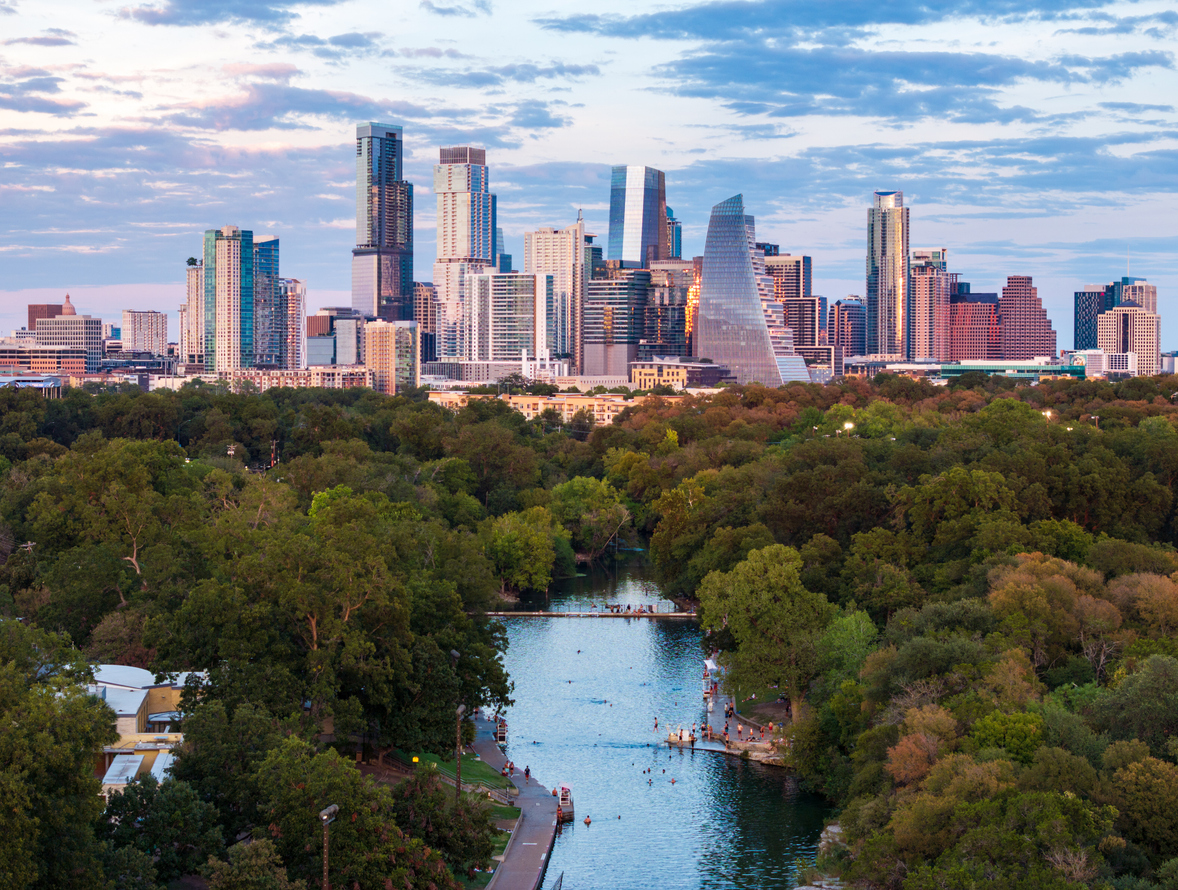
Austin’s outdoor spaces are a major part of its appeal. The Ann and Roy Butler Hike-and-Bike Trail runs about 10 miles around Lady Bird Lake, offering scenic views of downtown and access to walking, biking, and water activities like kayaking. Barton Springs Pool, located in Zilker Park, is a spring-fed pool that stays around 68–70°F year-round, making it one of the city’s most popular attractions. Another nearby option is Deep Eddy Pool, one of Texas’s oldest swimming pools, offering a more relaxed atmosphere. These locations provide a balance of recreation, scenery, and accessibility, making them essential stops for first-time visitors.
Austin’s Best BBQ Joints and Food Trucks
Austin is known for Central Texas barbecue and a thriving food truck scene. Well-known barbecue spots include:
- Franklin Barbecue – Famous for brisket and long lines
- La Barbecue – Consistently ranked among the city’s best
- InterStellar BBQ and LeRoy and Lewis Barbecue – Recognized for quality and innovation
While Austin gained recognition in the Michelin Guide Texas (2024), these restaurants are more commonly associated with distinctions like Bib Gourmand or recommendations, rather than multiple Michelin stars. Food trucks are another essential part of the city’s food culture. Areas like East Austin and South Congress feature clusters of trucks offering tacos, barbecue, and international cuisine.
South Congress and 2nd Street: Shopping, Murals, and Local Flavor
South Congress Avenue (SoCo) is one of Austin’s most recognizable districts, known for its mix of local shops, restaurants, and street art. Popular stops include:
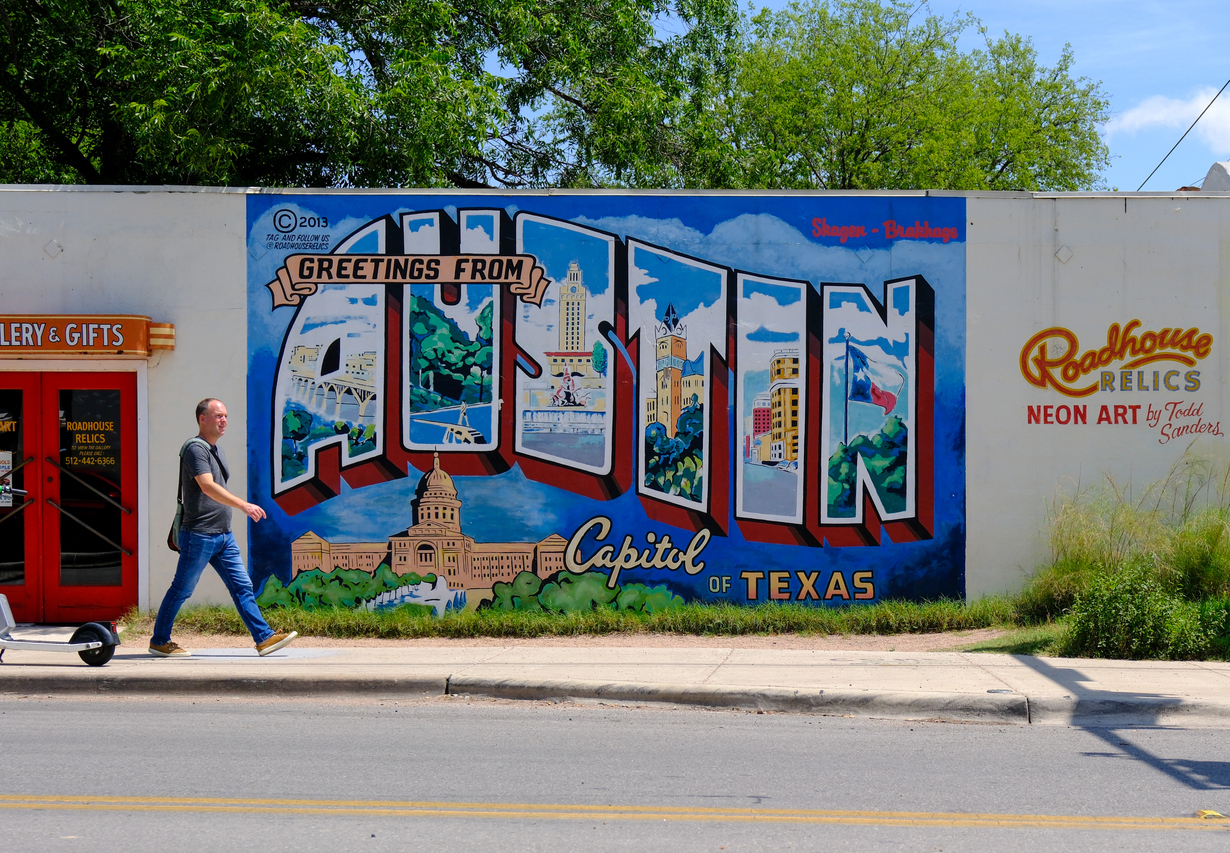
- “Greetings from Austin” mural
- Allen’s Boots for classic Texas style
- Home Slice Pizza and Jo’s Coffee for casual dining
The 2nd Street District offers a more urban shopping experience with boutiques, restaurants, and walkable streets near downtown. Both areas give visitors a sense of Austin’s creative and local identity, especially during daytime exploration.
Live Music in the “Live Music Capital of the World”
View this post on Instagram
Austin’s reputation as the “Live Music Capital of the World” comes from its large number of venues and events. While the exact number of venues varies, the city hosts hundreds of live performances each week, ranging from small clubs to large venues like the Moody Center. Historic spots like Antone’s Nightclub and The Continental Club continue to showcase local and touring artists. Events like SXSW and Austin City Limits further reinforce the city’s music identity. Visitors can find live music across genres, often in casual, accessible settings.
Austin’s Craft Breweries and Beer Gardens
Austin’s craft beer scene offers a relaxed way to experience the city. Popular breweries include:
- Austin Beerworks
- Live Oak Brewing Company
- Jester King Brewery, known for its rural setting and farmhouse ales
Many breweries feature outdoor seating, food trucks, and family-friendly spaces, making them accessible even for daytime visits. Beer gardens and brewery patios are especially popular during cooler months.
Street Art and Murals Across Austin
Austin’s street art scene is an important part of its visual identity. Visitors can explore murals across neighborhoods like South Congress, East Austin, and Downtown. The “Greetings from Austin” mural remains one of the most photographed spots in the city. While guided tours are available, many visitors opt for self-guided exploration, using online maps or simply walking through neighborhoods known for public art. These murals reflect Austin’s creative culture and community expression, making them a worthwhile addition to any itinerary.
Best Times to Visit Austin’s Top Attractions
Timing can significantly improve your experience at Austin’s most popular spots.
- Congress Avenue Bridge (bats) – Arrive just before sunset for the best viewing
- BBQ restaurants (e.g., Franklin Barbecue) – Go early morning to avoid long lines
- Barton Springs Pool – Visit early morning or late afternoon for fewer crowds
- Lady Bird Lake Trail – Best in the morning or evening to avoid heat
- South Congress – Late afternoon into evening for shopping, dining, and photos
Planning your schedule around these times helps you avoid crowds and enjoy each location more comfortably.
Parking and Traffic Tips for Visitors
Getting around Austin requires some planning, especially if you’re driving.
- Traffic congestion is common on major roads like I-35 and MoPac, particularly during morning and evening rush hours
- Popular areas such as Downtown, Zilker Park, and South Congress can have limited parking on weekends and during events
- Many areas use paid parking meters or mobile payment apps, so having a card or phone payment ready is helpful
- Parking garages are widely available downtown but can fill up during peak times
- Ride-sharing can help avoid parking challenges, especially in busy districts
If you plan your routes and arrival times in advance, it’s much easier to navigate the city and avoid delays.