Houston Travel Basics: Getting Around, Where to Stay, What to See
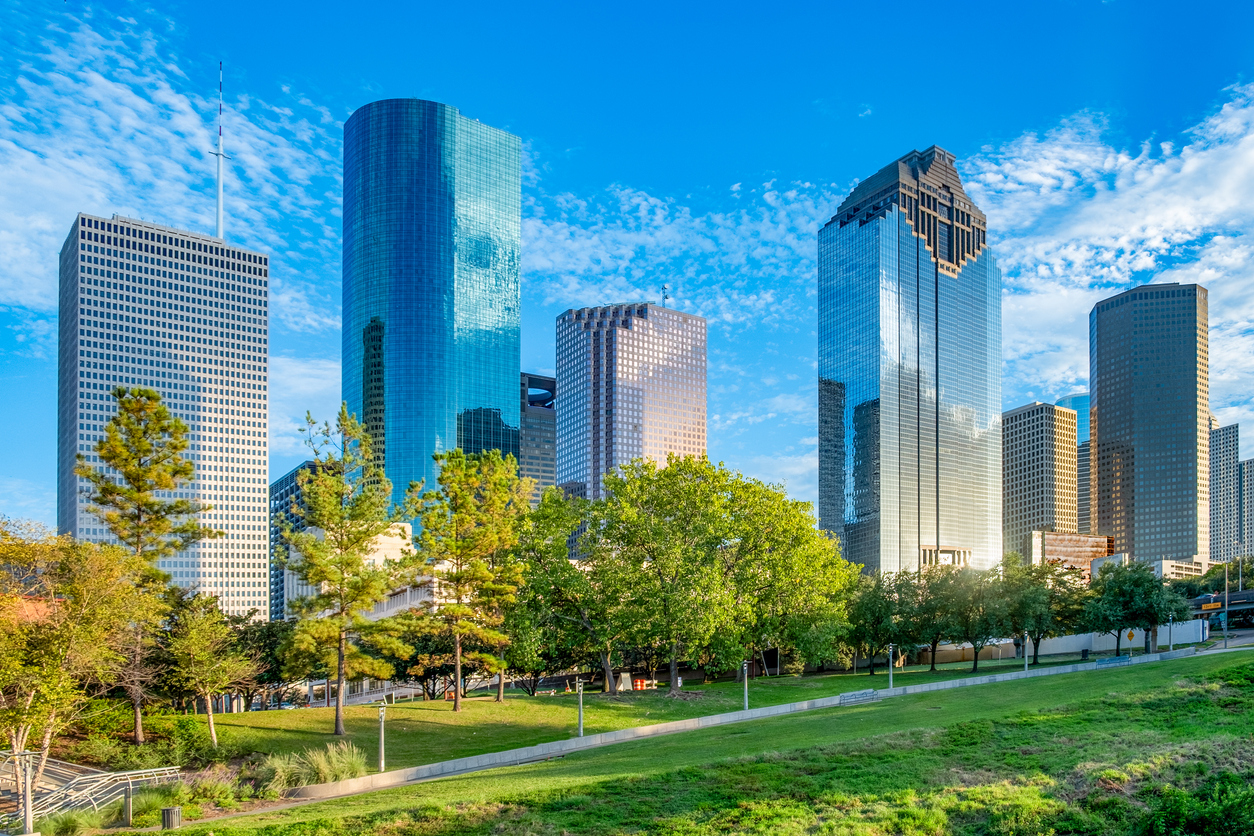
Houston is a large, diverse city where planning your transportation and location in advance makes a big difference. Most visitors arrive through George Bush Intercontinental Airport (IAH) or William P. Hobby Airport (HOU), then explore the city’s neighborhoods by car. From Space Center Houston to the Museum District and Downtown, the city offers a wide range of attractions, dining, and experiences spread across different areas.
Airports and Ground Transportation: Getting to Houston
Houston is served by two major airports: George Bush Intercontinental Airport (IAH) and William P. Hobby Airport (HOU). IAH is the city’s primary international airport, with multiple terminals and extensive domestic and international connections. HOU mainly handles domestic flights and is located about 7 miles from Downtown Houston, making it a convenient option for shorter trips. Both airports offer rental cars, rideshare services, taxis, and shuttle options. Travelers should plan to arrive at least 2 hours before domestic flights and 3 hours before international flights.
Houston’s Layout: Getting Around the City
Houston covers a large geographic area, so transportation planning is essential. Most visitors rely on rental cars or rideshare services to move between neighborhoods, attractions, and restaurants. The METRORail Red Line connects key areas like Downtown, Midtown, the Museum District, and NRG Stadium, making it useful for certain routes. While not all areas are connected by transit, combining driving with selective rail use can make getting around more efficient.
Where to Stay in Houston: Budget, Business, and Luxury Areas
View this post on Instagram
Choosing the right area to stay can significantly affect your experience in Houston, especially given the city’s size and spread. Budget travelers can find affordable and reliable options in areas like Westchase and near the Galleria, where hotels such as La Quinta Inn & Suites Houston Galleria Area and Red Roof Inn Houston Westchase offer lower nightly rates while still providing access to major highways and shopping districts. Mid-range hotels in Downtown and the Texas Medical Center provide a strong balance of location and comfort. Properties like the Magnolia Hotel Houston Downtown and Hampton Inn & Suites Houston Medical Center place you close to Hermann Park, the Museum District, and METRORail access, making it easier to explore without long drives. For luxury stays, areas like River Oaks and Uptown offer upscale accommodations with convenient access to high-end shopping and dining. Hotels such as The Post Oak Hotel at Uptown Houston and Hotel Granduca Houston deliver premium amenities, refined service, and proximity to destinations like The Galleria and River Oaks District. Staying near your primary points of interest—whether museums, restaurants, or business centers—can help reduce travel time and make navigating Houston more efficient.
Downtown and Midtown: Central Location for Visitors
Downtown Houston is one of the most convenient places to stay, especially for first-time visitors. It provides access to Daikin Park, Toyota Center, Discovery Green, and the Theater District, along with a wide range of hotels. Midtown, just south of downtown, offers a more relaxed atmosphere with restaurants, nightlife, and proximity to public transit. These areas are ideal for visitors who want central access to multiple attractions.
Galleria and Uptown: Shopping and Upscale Stays
View this post on Instagram
The Galleria/Uptown area is known for shopping, dining, and upscale hotels. Centered around The Galleria, Texas’s largest shopping mall, this district offers easy access to retail, restaurants, and entertainment. Hotels in this area range from mid-range to luxury, making it a popular choice for visitors focused on shopping and convenience.
Top Attractions: Space Center Houston, Museum District, and More
View this post on Instagram
Houston offers a wide range of attractions for visitors of all interests. Space Center Houston is the official visitor center for NASA’s Johnson Space Center, featuring exhibits, spacecraft displays, and tram tours. The Museum District includes institutions like the Houston Museum of Natural Science, Museum of Fine Arts, and Children’s Museum Houston, many within walking distance of each other. Nearby, Hermann Park offers green space, gardens, and access to the Houston Zoo, making it a popular stop for families. These attractions provide a mix of education, entertainment, and outdoor experiences.
Houston Food Neighborhoods: Tex-Mex, BBQ, and Global Cuisine
View this post on Instagram
Houston’s food scene reflects its cultural diversity, with each neighborhood offering distinct culinary experiences shaped by history and community. Tex-Mex restaurants are found throughout the city, with long-standing favorites like Original Ninfa’s on Navigation in the East End and Molina’s Cantina continuing to define the cuisine with dishes like fajitas, enchiladas, and queso. For barbecue, neighborhoods like The Heights and Spring Branch are known for standout spots such as Truth BBQ (Heights) and Feges BBQ (Spring Branch), where you’ll find smoked brisket, ribs, and classic Texas sides prepared with both traditional and modern techniques. In Asiatown (Bellaire Boulevard area), Houston’s global food culture is on full display. Restaurants like Mala Sichuan Bistro, Golden Dim Sum, and Pho Binh highlight the area’s range of Chinese, Vietnamese, and other Asian cuisines, while also showcasing local innovations like Viet-Cajun seafood. Downtown Houston offers a different experience through its underground tunnel system, which operates primarily on weekdays and features dozens of casual dining spots. You’ll find everything from Mediterranean options at Fadi’s Eatery to quick Asian bites and sandwich shops, making it a convenient choice for lunch during the workweek. Exploring these neighborhoods allows visitors to experience Houston’s food culture in a more immersive way, connecting each meal to the communities and traditions that shaped it.
The Heights, Montrose, and Rice Village: Walkable Areas to Explore
While Houston is largely car-dependent, some neighborhoods offer more walkable environments. The Heights features historic homes, local shops, and dining along streets like 19th Street, along with walking trails. Montrose is known for its creative culture, vintage shops, and diverse dining options. Rice Village, near Rice University, offers a mix of boutiques, restaurants, and a compact layout that’s easy to explore on foot. These areas provide a more neighborhood-focused experience compared to the city’s larger districts.
Houston Day Trips: Galveston and Beyond
For travelers looking to explore beyond the city, Houston offers several accessible day trips. Galveston Island, located about 50 miles southeast, features beaches, historic districts, and waterfront attractions. While there is no regular city-operated shuttle between Houston and Galveston, visitors can reach the island by car or private transportation services. Other destinations, such as Texas Hill Country, are farther away and typically require a longer drive, making them better suited for extended trips rather than day visits.