
A Hybrid Work Calendar for Better Routines All Year
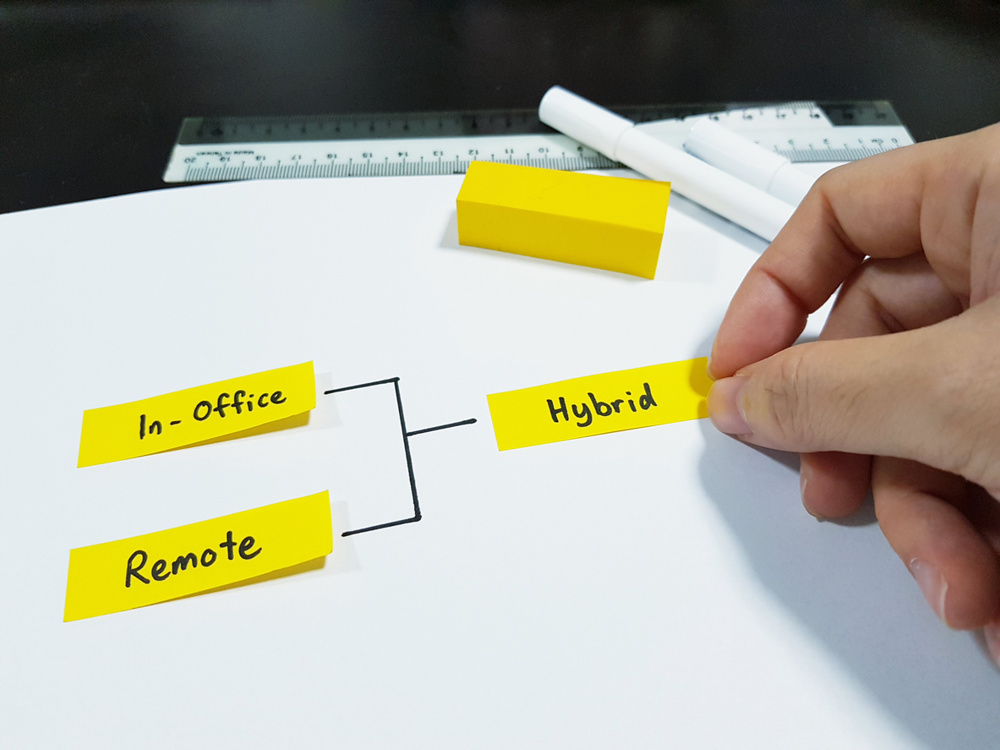
A hybrid work calendar works best when it reflects how people actually work, not how organizations assume they do. Aligning office days with collaboration needs, protecting remote time for deep focus, and setting shared hours for communication creates a system that feels sustainable rather than forced. The difference between a working schedule and a failing one usually comes down to intention.
Many hybrid setups fail because they skip the foundational steps. Without clear structure, feedback loops, and regular adjustments, even well-designed schedules lose momentum. A strong hybrid calendar isn’t static—it evolves alongside the team, adapting to changing workloads, priorities, and working styles throughout the year.
Why Most Hybrid Schedules Fall Apart by February
Hybrid work often starts strong in January, but cracks begin to show within weeks. The problem usually isn’t resistance—it’s inconsistency. When expectations aren’t clearly defined or enforced, people default to their own habits, which leads to misalignment across teams.
Early in the year, shifting priorities and staffing changes make coordination harder. Office attendance becomes unpredictable, meetings lose structure, and collaboration starts happening unevenly. Instead of supporting productivity, the schedule becomes something people work around rather than rely on.
Over time, this creates fatigue. Employees compensate by staying constantly available, blurring boundaries between work and personal time. Without a system that balances flexibility with clarity, the schedule doesn’t just weaken—it gradually stops functioning as a shared framework.

Choose the Right Hybrid Work Schedule Model for Your Team
Structure is what separates a hybrid schedule that lasts from one that quietly dissolves by February. Choosing the right model requires honest skills alignment across your team's actual workflow, not just preference surveys. Consider these proven models based on your team's needs:
- 3/2 model – Best for collaboration-heavy teams needing meeting alignment
- Flexible hybrid – Gives employees 2–3 office days they self-select
- Team-driven – Lets each department set its own rhythm
- Outcome-based – Prioritizes results over location entirely
Leadership buy-in determines whether any model sticks. Without it, schedules drift and accountability disappears. Tracking participation across teams is easier when you use tools like a vote percentage calculator to visualize how office day preferences are distributed among staff.
Gallup data confirms employees perform best with 2–3 office days weekly, so anchor your model around that range. Pick one structure, commit to it, and adjust deliberately. The 2/3 hybrid model is widely recognized as the most popular choice, striking a balance between in-office culture and remote flexibility for mid-size organizations.
Survey Your Team Before Building Any Hybrid Work Calendar
Before creating a schedule, it’s essential to understand how people actually work. Surveys, one-on-one conversations, and team discussions reveal patterns that aren’t always visible from the outside, especially when different roles require different levels of collaboration or independence.
Some employees value flexibility, while others depend on predictable in-office time for collaboration and structure. Preferences around working hours, tools, and communication styles can vary widely, and these differences directly affect how a hybrid system performs. Capturing this information early helps prevent mismatches between policy and reality, which are often the root of long-term issues.
When people feel included in the process, they’re more likely to support the outcome. This early alignment builds trust and reduces resistance, making it easier to implement the calendar and adjust it over time without disrupting team dynamics.

Reserve Office Days for Collaboration and Remote Days for Deep Work
Once you know what your team needs, put that data to work by building a calendar that matches tasks to location. In-office brainstorming, project kick-offs, and onboarding thrive on face-to-face energy. Remote deep work protects focus for independent, heads-down tasks.
Split your schedule intentionally using these guidelines:
- Office days: Brainstorming sessions, training, cross-functional projects, and team-building activities
- Remote days: Deep-focus individual tasks, independent responsibilities, and recurring status updates
- Both settings: Standard video calls move remote; creative problem-solving stays in-office
- Always: Protect each environment from tasks that don't belong there
This structure reduces context-switching, respects everyone's focus time, and makes sure your in-office hours deliver real collaborative value worth the commute. Existing tools, used with the right strategy rather than layered with more apps, keep communication focused without overwhelming your team.
Explore how to build your own calendar to stay consistent with your work routine.
Set Core Hours That Protect Focus and Enable Real-Time Collaboration
Core hours provide a shared window for communication without requiring everyone to follow the same rigid schedule. A defined block of time ensures that meetings, quick decisions, and collaborative work can happen efficiently without constant back-and-forth scheduling.
Outside of these hours, employees have more control over how they structure their day. This flexibility supports different working styles while maintaining enough overlap for coordination. It also reduces scheduling conflicts, making daily operations smoother and more predictable.
Protecting time outside core hours is just as important. By limiting unnecessary meetings and preserving uninterrupted focus periods, teams can maintain productivity without sacrificing flexibility. This balance helps prevent burnout while keeping communication effective.
How Routine Consistency Builds Long-Term Productivity
Consistency is what turns a hybrid schedule from a plan into a habit. When routines are followed regularly, coordination becomes easier, expectations become clearer, and productivity stabilizes over time. People spend less energy figuring out logistics and more time focusing on meaningful work.
Frequent changes can disrupt this process. If schedules shift too often, employees lose the ability to plan effectively, and collaboration becomes less predictable. Even well-intentioned adjustments can create confusion, making it harder for teams to stay aligned and maintain momentum.
Stability doesn’t mean rigidity—it means creating a reliable structure that people can depend on. Over time, consistent routines reduce decision fatigue, improve time management, and make collaboration more seamless, allowing teams to operate with greater efficiency and confidence.
How Hybrid Work Impacts Team Culture
Hybrid work doesn’t just change schedules—it reshapes how teams connect and interact on a daily basis. Without intentional effort, informal interactions and spontaneous collaboration can decline, making communication feel more structured and less organic.
In-office days become important not just for productivity, but for maintaining relationships. Casual conversations, shared experiences, and unplanned problem-solving all contribute to a stronger team dynamic. Without these moments, collaboration can become purely task-focused, which can gradually weaken team cohesion.
Balancing flexibility with connection is key. A well-designed hybrid calendar creates space for both structured collaboration and natural interaction, helping teams maintain a sense of shared culture while still benefiting from the independence and focus that remote work provides.
The Tools That Actually Keep a Hybrid Work Calendar on Track
Core hours give your team a shared rhythm, but the right tools are what actually keep that rhythm running. Smart integrations and automated scheduling remove the guesswork from managing a hybrid calendar.
Here's what works:
- Clockwise automatically moves flexible meetings to protect focused work blocks
- Motion uses AI for automated scheduling and task prioritization across your team
- Morgen unifies multiple calendars with drag-and-drop time blocking and an AI Planner
- Quire syncs in real time and integrates with Google Calendar, Slack, and Outlook for seamless collaboration
You don't need every tool—you need the right combination. Pick platforms that connect your scheduling, tasks, and communication without creating more friction than they solve. The right toolset ensures equal access to information and workflows for every team member, regardless of whether they're in the office or working remotely.
How to Tell If Your Hybrid Work Calendar Is Actually Working
A hybrid schedule should be evaluated regularly to ensure it’s delivering real results, not just functioning on the surface. Productivity, engagement, and overall well-being are key indicators of whether the system is working as intended.
If employees are meeting goals, maintaining focus, and staying connected, the structure is likely effective. Patterns like consistent attendance, balanced workloads, and manageable communication levels also signal that the calendar is supporting rather than complicating daily work. When collaboration happens naturally and focus time is protected, the system is doing its job.
Feedback remains essential in this process. Data can highlight trends, but conversations reveal underlying issues that numbers alone can’t explain. Regular check-ins—both formal and informal—help identify what’s working and what needs adjustment before small problems turn into larger disruptions.
When Your Hybrid Work Calendar Stops Working and What to Do
Even well-designed schedules can lose effectiveness over time. Changes in workload, team structure, or priorities can create gaps that weren’t present at the start, gradually weakening the system.
Common signs include reduced collaboration, unclear expectations, and increasing burnout. These issues often develop slowly, making them easy to overlook until they begin affecting performance and morale. Communication may become less efficient, and coordination can start to feel more reactive than planned.
The solution is recalibration rather than a complete reset. Realign office days with actual collaboration needs, simplify workflows, and address friction points directly. A hybrid calendar should remain flexible enough to evolve while still maintaining a stable foundation that teams can rely on.
Why Hybrid Work Requires Ongoing Adjustment
A hybrid schedule isn’t something you set once and leave unchanged. Work patterns naturally shift throughout the year, influenced by project cycles, staffing changes, and external factors that shape how teams operate. What works in one quarter may not fully support the next.
Regular reviews help keep the system aligned with current needs. Quarterly adjustments, feedback loops, and small refinements allow teams to improve the calendar without disrupting established routines. This approach avoids constant overhauls while still keeping the structure responsive and relevant.
Over time, this process turns the calendar into a living system rather than a fixed plan. Instead of reacting to problems after they appear, teams can anticipate changes and adapt proactively. That balance between stability and flexibility is what allows a hybrid model to remain effective as both the organization and its demands continue to evolve.
Conclusion
A hybrid work calendar succeeds when it’s built with intention and maintained with consistency. It’s not just about dividing time between office and remote work—it’s about aligning schedules with how people collaborate, focus, and communicate.
As work continues to evolve, hybrid systems will become more refined and adaptable. The teams that succeed will be the ones that treat their schedules as dynamic tools, not fixed rules. When done well, a hybrid calendar doesn’t just organize work—it improves how work gets done.