
Why Post-Apocalyptic Gaming Themes Never Leave Pop Culture

Post-apocalyptic games never really go away—they just evolve. No matter how many new genres appear, players keep returning to worlds where society has collapsed and survival becomes the main objective. There’s something about these settings that feels both extreme and strangely familiar.
Part of the appeal is control. These games take overwhelming fears—collapse, scarcity, uncertainty—and turn them into systems you can navigate. Instead of watching the end of the world, you’re placed inside it, making decisions that shape what happens next.
Why Gaming Puts You Inside the Apocalypse Instead of Watching It
Watching an apocalypse in a movie keeps you at a distance. You follow a character’s journey, but you’re not responsible for what happens. Games remove that separation. You’re the one managing resources, choosing alliances, and deciding how to survive.
This shift changes how the experience feels. Scarcity isn’t just part of the story—it becomes part of your strategy. Every item matters, every decision has weight, and mistakes carry consequences. The environment isn’t just a backdrop; it actively shapes how you play.
That level of involvement makes the experience more personal. Instead of observing collapse, you’re navigating it. This creates a stronger connection to the world and makes every success or failure feel earned.
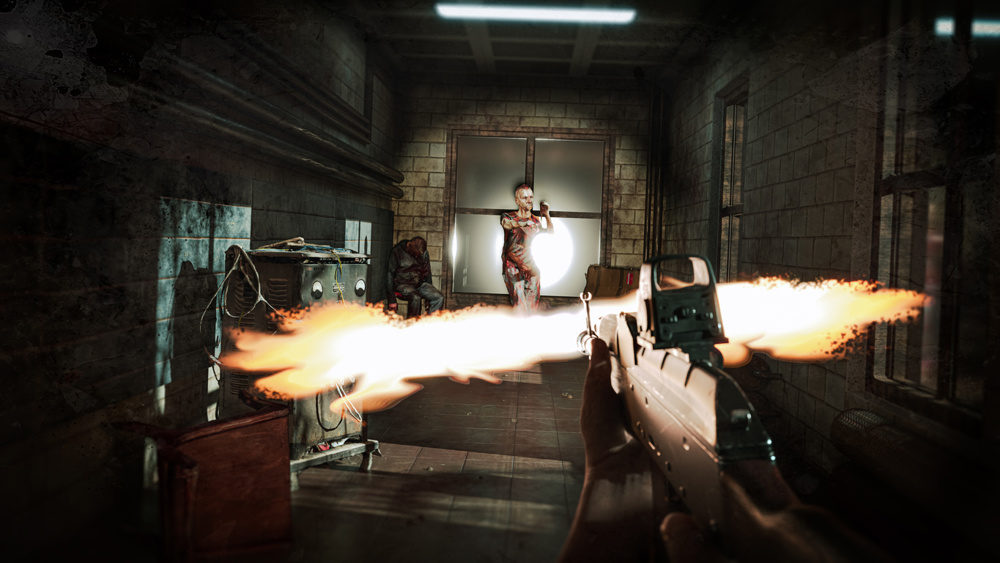
The Psychology Behind Our Obsession With Surviving the End
There's something primal happening when post-apocalyptic games grip you—your brain's fight-or-flight response doesn't distinguish between simulated danger and real threat. You're not just playing; you're processing trauma nostalgia and mortality curiosity through a safe psychological lens.
Here's what's actually driving your obsession:
- Survival fantasy lets you rehearse end-world scenarios without real consequences
- Adrenaline satisfaction rewires your stress response into genuine pleasure
- Emotional catharsis releases fear accumulated from climate anxiety and pandemic fatigue
- Cultural mirroring reflects your real concerns about economic collapse and societal tension
- Controlled danger satisfies curiosity about death without actual risk
Current events—wars, recessions, environmental collapse—constantly feed this fascination. Games don't just entertain you; they help you psychologically rehearse humanity's most feared outcome. A 2012 poll found that 59% of respondents believed the apocalyptic events described in the Book of Revelation will actually come to pass.
The Franchises That Made Post-Apocalyptic Gaming a Cultural Staple
Few franchises have shaped post-apocalyptic gaming quite like Fallout, Wasteland, Dead Island, Dying Light, and The Last of Us—each carving out its own identity while collectively cementing the genre as a cultural staple.
- Fallout's vault lore and moral ambiguity give you choices that genuinely reshape its world. Wasteland pioneered the survival mechanics Fallout later built upon.
- Dead Island put visceral melee combat at the center, earning a sequel nomination at The Game Awards 2023. Dying Light pushed boundaries further with parkour and punishing day-night cycles, culminating in The Beast.
- The Last of Us stripped everything back, prioritizing quiet, emotional storytelling over spectacle. Its fungal pandemic transforms the infected into deeply unsettling creatures that click and behave disturbingly.
Together, these franchises didn't just entertain you—they redefined what post-apocalyptic games could mean culturally, narratively, and mechanically. Much like how competitive gaming's earliest roots trace back to a 1972 Spacewar! tournament at Stanford, these franchises prove that gaming has always been capable of building lasting cultural significance far beyond simple entertainment.
Why Wasteland Worlds Give Players More Freedom Than Any Other Setting
Post-apocalyptic worlds remove many of the structures that exist in other genres. Without functioning societies or stable systems, players are free to approach situations in their own way. There are no clear rules to follow or institutions to rely on, which creates a sense of unpredictability. That lack of structure makes every decision feel more personal, because it’s no longer guided by a predefined system.
Choices feel more meaningful because there are fewer safety nets. You can’t always fix mistakes or achieve ideal outcomes, and sometimes the best option still comes with consequences. This uncertainty adds weight to decisions, making them feel more realistic and grounded. Instead of aiming for perfection, players learn to adapt, accept trade-offs, and move forward with imperfect results.
That freedom changes how players engage with the game. Instead of following a predetermined path, they shape their own experience through exploration, alliances, and survival strategies. The world reacts to those choices, whether through subtle changes or major consequences. Over time, this creates a strong sense of ownership, making the experience feel unique to each player.
How Player Choice Creates Emotional Investment
Player choice is one of the strongest reasons post-apocalyptic games feel so immersive. When decisions directly affect outcomes, players become more emotionally connected to the world and its characters. The consequences of those choices—whether immediate or delayed—make every action feel significant, turning even small moments into meaningful turning points.
These choices are rarely simple. Players often face trade-offs where no option is clearly right or wrong, forcing them to weigh personal values against survival needs. Helping one character might put another at risk, and conserving resources could come at a moral cost. This complexity adds depth, turning gameplay into something more reflective rather than purely reactive.
Over time, this creates a stronger sense of involvement. Players don’t just complete objectives—they shape the direction of the story and define how their version of the world unfolds. That level of control builds emotional investment, making the experience feel more personal, more immersive, and ultimately more memorable.
Check out MrPopCulture.com and learn more about pop culture trends in post-apocalyptic gaming!
Why Post-Apocalyptic Games Tap Into Every Generation's Deepest Fears
Each generation connects to these games through its own set of concerns. For some, the focus is on societal collapse or political instability. For others, it’s environmental crises, pandemics, or rapid technological change. The setting remains flexible enough to reflect whatever fears are most relevant at the time, which keeps the genre consistently relatable.
Developers often build worlds that subtly reflect these anxieties. Scarcity of resources, breakdowns in communication, and unstable environments mirror real-world uncertainties in a heightened form. Even when the scenario is fictional, the underlying tension feels familiar, which makes the experience more immersive and emotionally engaging.
At the same time, these games offer a sense of resilience. By navigating difficult situations, players interact with fear in a controlled and structured way. Instead of feeling powerless, they experiment with solutions, make decisions, and adapt to challenges. The experience shifts from anxiety to problem-solving, reinforcing a sense of capability rather than helplessness.
How Game Mechanics Turn Fear Into Strategy
One of the defining features of post-apocalyptic games is how they turn fear into something functional. Instead of overwhelming the player, tension is built directly into the design through mechanics like limited resources, stealth systems, and risk-based exploration. These elements create pressure, but they also give players tools to navigate that pressure in a controlled way.
Players are encouraged to think carefully about every move. Choosing when to engage, when to hide, or when to conserve resources becomes part of a larger strategic approach. Even small decisions—like using an item now or saving it for later—can have long-term consequences. Fear becomes something you work with rather than something that stops you, guiding decisions instead of disrupting them.
This shift transforms the experience. Instead of reacting purely on instinct, players begin to plan, anticipate, and adapt their strategies over time. The result is a more deliberate style of gameplay where tension adds depth rather than frustration, making each success feel earned and each mistake meaningful.
Why Scarcity Makes Gameplay More Engaging
Scarcity is a defining feature of post-apocalyptic games, and it plays a major role in keeping players engaged. Limited resources force players to prioritize, making even basic items feel valuable. A single piece of ammunition, a health kit, or a small amount of food can become critical, shifting the focus from excess to careful use.
When resources are restricted, every decision carries more weight. Using an item too early or wasting supplies can create future problems, which adds tension to even simple moments. Players are constantly balancing immediate needs against long-term survival, making gameplay feel more deliberate and controlled rather than impulsive.
Scarcity also reinforces the setting. A world with limited resources feels more believable, aligning gameplay mechanics with the narrative. This consistency strengthens immersion, as players experience the same limitations that define the environment. Over time, this connection between mechanics and world-building makes the experience feel more cohesive, grounded, and engaging.
Why Exploration Feels More Meaningful in Broken Worlds
Exploration takes on a different meaning in post-apocalyptic settings. Every location feels like it has a past, even if that history is only hinted at through environmental details. Abandoned buildings, scattered objects, and subtle visual cues encourage players to imagine what happened before the collapse.
This approach makes discovery more engaging. Finding supplies isn’t just about progression—it’s often tied to understanding the world itself. A ruined home, a deserted street, or a hidden bunker can suggest entire stories without direct explanation, adding emotional weight to the experience and making environments feel more lived-in.
Over time, exploration becomes a form of storytelling. Players aren’t just moving through space—they’re piecing together fragments of a larger narrative. This process creates a deeper connection to the world, turning simple movement into something purposeful, immersive, and consistently rewarding.
Why Post-Apocalyptic Games Keep Evolving Instead of Disappearing
Post-apocalyptic games remain relevant because they continue to evolve alongside player expectations. Developers regularly introduce new mechanics, technologies, and storytelling approaches that refresh the genre while keeping its core themes intact. This balance prevents it from feeling repetitive or outdated.
Modern titles often combine elements from different genres. Survival systems are integrated with open-world exploration, narrative-driven storytelling, or online multiplayer features. This blending of styles expands what post-apocalyptic games can offer, allowing them to appeal to a wider range of players while still maintaining a recognizable identity.
As long as players are drawn to themes of choice, consequence, and adaptation, the genre will continue to grow. The setting provides a strong foundation, but it’s the ongoing innovation that keeps it engaging. Rather than fading over time, it adapts, ensuring it remains a consistent and evolving presence in gaming and pop culture.
Conclusion
Post-apocalyptic games remain a constant in pop culture because they offer something few other genres can. They combine fear, freedom, and decision-making into a single experience that feels both intense and rewarding. Players aren’t just observing collapse—they’re navigating it, shaping outcomes, and finding meaning within uncertainty.
As gaming continues to evolve, these themes will adapt alongside new technologies and player expectations. The settings may shift, but the core appeal—facing the unknown while maintaining control—will continue to draw players back. That balance between chaos and agency is what keeps the genre relevant, ensuring it remains a lasting part of gaming and pop culture.