
Interesting Facts About Post-Apocalyptic Literature
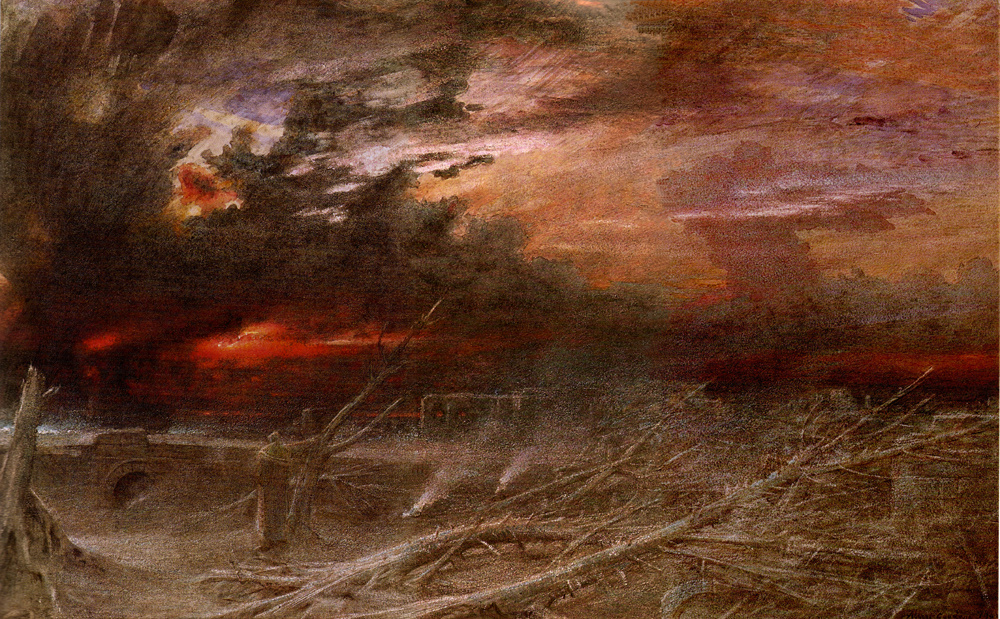
Post-apocalyptic literature traces its roots back thousands of years, long before modern novels or films gave the genre its familiar form. Ancient civilizations imagined the end of the world through myth, prophecy, and religious storytelling, creating early frameworks that still influence how these narratives unfold today. While the settings and technologies have changed, the core themes—collapse, survival, and renewal—remain consistent.
The genre also evolves alongside real-world events. Periods of crisis, from wars to pandemics, often trigger renewed interest in post-apocalyptic stories because they allow readers to confront uncertainty in a controlled way. These narratives don’t just reflect fear—they explore how people respond to it, adapt to it, and sometimes overcome it.
What Separates Apocalyptic From Post-Apocalyptic Fiction?
The most important distinction between these two genres comes down to timing. Apocalyptic fiction focuses on the lead-up to or the moment of catastrophe, often centering on attempts to prevent or understand the disaster. Post-apocalyptic fiction begins after the collapse has already happened, shifting attention to survival and adaptation.
This difference changes how stories unfold. Apocalyptic narratives tend to emphasize urgency, large-scale threats, and collective responses, while post-apocalyptic stories focus on smaller groups or individuals navigating the aftermath. The stakes become more immediate and personal, often centered on resource scarcity, moral choices, and rebuilding.
Settings reinforce this contrast. Apocalyptic worlds may still include functioning systems under pressure, but post-apocalyptic environments are defined by their absence—collapsed infrastructure, fragmented societies, and limited access to technology. One genre captures the fall itself; the other explores what remains.
The Ancient Roots of Post-Apocalyptic Literature
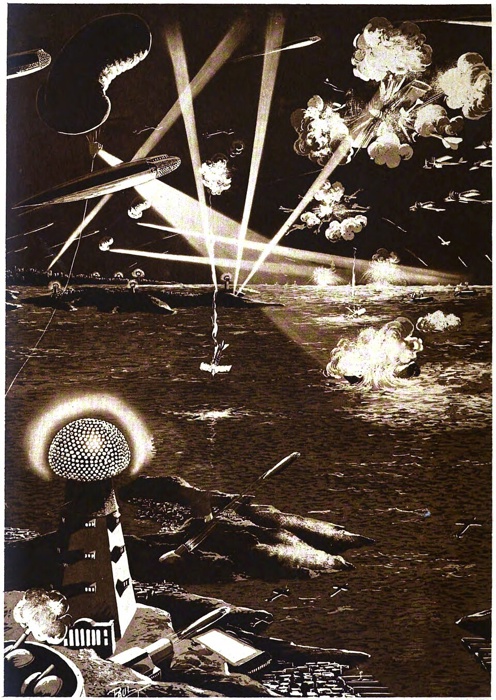
Post-apocalyptic storytelling didn’t begin with modern science fiction. Its origins can be traced to ancient mythologies and religious traditions across multiple cultures. Stories of destruction and renewal appear in Vedic texts, Mesopotamian myths, and Biblical writings, often describing floods, divine judgment, or cosmic upheaval.
These early narratives established patterns that still shape the genre today. They introduced the idea that destruction is not always an ending, but part of a larger cycle. Collapse is followed by renewal, and survival often depends on adaptation rather than resistance.
Over time, these themes evolved into more structured literary forms. What began as spiritual or mythological storytelling gradually transformed into fictional narratives that explore similar ideas in secular contexts. Despite this shift, the underlying structure remains recognizable, connecting modern post-apocalyptic fiction to its ancient roots.
Why Today's Fears Keep Driving Post-Apocalyptic Fiction
Fear drives post-apocalyptic fiction the way fuel drives an engine — without it, the genre stalls. You'll notice its popularity surges whenever real crises hit — pandemics, political upheavals, or catastrophic events like 9/11. Modern anxieties don't disappear; they transform into zombie plagues, nuclear wastelands, and authoritarian regimes on the page.
These stories give you something concrete to fight when real-world threats feel abstract and overwhelming. That's narrative catharsis at work — you confront your deepest fears through fiction and emerge feeling less powerless.
Beyond fear, though, you're also chasing hope. Post-apocalyptic worlds strip civilization down, offering fresh starts and heroism that everyday life rarely allows. The genre doesn't just reflect what you dread — it reflects what you secretly wish were possible. This pattern isn't new — historical spikes occurred after defining moments like the post-WWII atomic bomb era and the tension-soaked 1980s Cold War.
How Cold War Paranoia Reshaped Post-Apocalyptic Storytelling
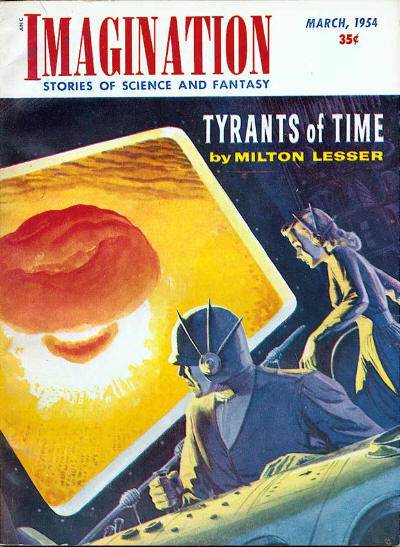
The Cold War didn't just threaten civilization — it rewired how writers imagined its end. Through paranoia studies, authors exposed how ideological conflict transformed storytelling from spectacular destruction into something far more unsettling. You'll notice that domestic apocalypse replaced battlefield drama, planting catastrophe in intimate spaces like gardens, nurseries, and marriage beds.
Cold War fiction reshaped post-apocalyptic storytelling through:
- Mirror-image fear structures shared by both superpowers
- Corrosion replacing sudden annihilation as the dominant narrative mode
- Surveillance and conformity functioning as tools of social control
- Mutation anxieties embedded in postwar biological uncertainty
- Espionage mechanics driving paranoid, conspiracy-laden plots
Writers understood that the real terror wasn't the bomb itself — it was the slow unraveling of ordinary life happening quietly around you. Comparative readings of American and Soviet fiction reveal that both cultures produced strikingly similar literary responses, suggesting the two superpowers functioned as mirror images of paranoia despite their constructed ideological differences.
Stir up your curiosity with more surprising facts about post-apocalyptic literature and gaming.
The Most Common Ways Post-Apocalyptic Authors End the World
Post-apocalyptic fiction relies on a range of scenarios to initiate collapse, and these often reflect the dominant concerns of the time in which they are written. Early works were heavily shaped by nuclear anxiety, while later stories expanded to include pandemics, environmental collapse, artificial intelligence, and technological failure.
Each scenario shapes the narrative in distinct ways. A pandemic emphasizes isolation, breakdown of trust, and the fragility of human connection. Environmental collapse shifts the focus toward long-term survival and adaptation, often exploring scarcity on a global scale. Technological disasters, on the other hand, tend to highlight unintended consequences, loss of control, and dependence on systems that can fail.
Despite these differences, the purpose remains consistent: to strip away the structures that define modern life. By removing stability, authors create a setting where characters must rethink how they live, interact, and survive, revealing what remains when everything familiar disappears.
The Rise of Women-Led Post-Apocalyptic Narratives
In recent years, post-apocalyptic fiction has seen a noticeable shift in authorship and perspective. More women are contributing to the genre, bringing new themes and expanding the emotional and narrative range of these stories.
These narratives often place greater emphasis on relationships, community, and long-term rebuilding rather than focusing solely on immediate survival. Emotional resilience, caregiving, and moral complexity become central, offering a different lens on what it means to endure after collapse. Survival is no longer just physical—it becomes social and psychological as well.
This shift doesn’t replace earlier approaches—it builds on them. By introducing diverse perspectives, the genre becomes more layered and reflective of a wider range of experiences, making it more relevant to contemporary audiences.
Why Post-Apocalyptic Worlds Focus on Rebuilding
While destruction often defines the beginning of these stories, rebuilding is what ultimately gives them direction. After the initial collapse, characters are faced with the challenge of creating something new from what remains. This shift moves the narrative beyond immediate survival and toward long-term purpose, where choices begin to shape the future rather than just preserve the present.
Rebuilding reintroduces structure into a world that has lost it. Communities begin to form, systems are gradually re-established, and new forms of cooperation emerge out of necessity. These efforts often reflect both the strengths and failures of the previous world, raising questions about whether society should be restored as it was or reimagined entirely.
This focus adds depth to the genre. It shows that collapse is not just an ending, but a turning point. By exploring what comes after survival, post-apocalyptic fiction becomes as much about renewal and possibility as it is about loss and destruction.
How Post-Apocalyptic Stories Influence Pop Culture
Post-apocalyptic literature has had a lasting impact on pop culture, shaping films, television, and gaming in significant ways. Stories like The Road, Station Eleven, and The Last of Us show how literary themes translate into visual and interactive formats.
These adaptations expand the reach of the genre, bringing its ideas to wider audiences. Visual storytelling adds another layer of immersion, using environment, sound, and pacing to make the sense of collapse feel immediate and tangible. What readers imagine on the page becomes something viewers and players can experience more directly.
As a result, post-apocalyptic aesthetics and themes have become embedded in mainstream culture. They influence not only storytelling but also visual design, fashion, and even how audiences interpret real-world events through a cultural lens.
Why Survival Stories Remain So Compelling
Survival is one of the most enduring themes in storytelling, and post-apocalyptic fiction intensifies it by removing modern conveniences and support systems. Characters are forced to rely on basic skills, instinct, and cooperation, which makes every decision feel immediate and consequential. Even simple choices—whether to trust someone, conserve resources, or take risks—carry lasting impact.
This stripped-down environment creates clarity. Without distractions, the stakes become easier to understand—food, safety, and trust. Readers are drawn to these stories because they highlight fundamental human behavior under pressure, revealing how people act when comfort and structure are no longer guaranteed.
At the same time, survival stories go beyond endurance. They often explore deeper questions about meaning, morality, and connection. What matters when everything else is gone? What do people choose to protect or rebuild? These questions give the genre its emotional weight, turning survival into something reflective rather than purely physical.
How the Genre Continues to Evolve
Post-apocalyptic fiction continues to evolve as new global concerns emerge. Climate change, artificial intelligence, and increasing interconnectedness are shaping how modern stories imagine both collapse and recovery. These newer threats feel less distant and more gradual, which changes how narratives unfold.
Writers are also shifting focus. Instead of centering only on destruction, many narratives now explore rebuilding, cooperation, and long-term adaptation. Communities, systems, and relationships become just as important as survival itself. This shift reflects a growing interest in resilience and sustainability rather than simply enduring the worst-case scenario.
As the genre evolves, it remains anchored in its core themes while adapting to new contexts. This balance allows it to stay relevant across generations. Rather than repeating the same ideas, post-apocalyptic storytelling continues to expand, ensuring it remains a meaningful part of both literature and pop culture.
Conclusion
Post-apocalyptic literature remains influential because it combines history, fear, and imagination into a single narrative form. From ancient mythologies to modern novels, it has consistently explored what happens when systems fail and people are forced to adapt.
Its connection to real-world events keeps it relevant, while its focus on survival and rebuilding gives it lasting emotional impact. As new perspectives and ideas continue to shape the genre, it evolves without losing its foundation. The world may change, but the questions at the center of post-apocalyptic storytelling—how we survive, what we value, and what comes next—remain constant.